Energy-efficient data centre: CO₂ high-temperature heat pumps make intelligent use of waste heat
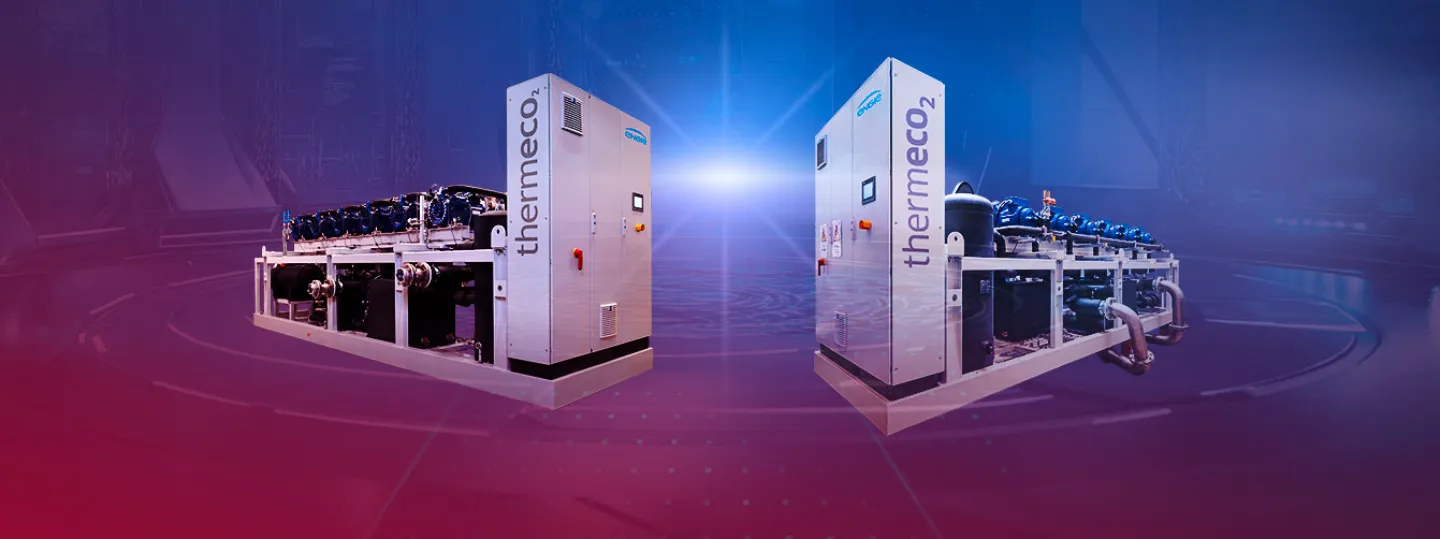
To realise a future-oriented, high‑performance data centre, ENGIE Refrigeration – in collaboration with ENGIE Deutschland – is implementing an innovative waste‑heat utilisation concept featuring eight thermeco2 high‑temperature heat pumps. This customised solution enhances overall energy efficiency through intelligent waste heat utilisation and ensures a reliable heat supply for the entire campus – making it a key element in the energy-efficient operation of the data centre.
- Intelligent waste heat utilisation maximises energy efficiency: eight thermeco2high-temperature heat pumps (six units HHR720 and two units HHR180) raise the waste heat from the supercomputers to a higher temperature level.
- Low-GWP refrigerant CO₂ (R-744, GWP = 1): The use of CO₂ as a refrigerant meets the highest safety standards under DIN EN 378 (non-flammable, Class A1) and avoids the use of fluorinated refrigerants with high global warming potential.
The high-performance data centre is equipped with two new supercomputers offering significantly increased computing power. These systems convert all electrical energy into heat – a resource that ENGIE Refrigeration, together with ENGIE Deutschland as the contractor, utilises optimally. Working closely with a specialist engineering firm, the team of experts developed a bespoke concept for the sustainable data centre: A new waste heat plant captures all the waste heat from the supercomputers and feeds it into the district heating network via industrial heat pumps. At the heart of the concept: six thermeco2 high-temperature heat pumps (HHR720) operate as both heat pumps and chillers for process cooling. Two reversible HHR180 heat pumps complete the system. All systems use CO₂ (R-744) as a non-fluorinated, low-GWP refrigerant and meet the requirements of DIN EN 378 as non-flammable (Class A1). They make a significant contribution to reducing the use of high-GWP fluorinated refrigerants in the operation of the high-performance data centre.
Intelligent waste heat utilisation for data centre operations
The project demonstrates how a sustainable data centre can be achieved through intelligent waste heat utilisation. ENGIE Refrigeration’s thermeco2 high-temperature heat pumps convert the waste heat from the supercomputers into usable process heat. The partnership between ENGIE Refrigeration and ENGIE Deutschland enables a holistic solution for the high-performance data centre – from planning and production to commissioning. The result is a cooling and heating concept for data centre operations that combines computing capacity with cooling and heating infrastructure for the specified application.
Further references
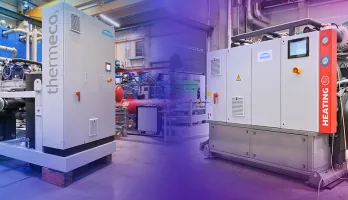
Heat recovery using heat pumps: Manufacturer of electrical installations implements a heat recovery concept in its production environment
A leading manufacturer of electrical installations in residential, industrial and commercial properties is actively driving forward the energy transition: with industrial heat pumps from ENGIE Refrigeration, the company uses waste heat from the chillers for heating. The tailor-made concept shows how heat recovery with heat pumps reduces fossil fuel consumption for heating – replacing conventional heat generation with waste heat from the existing chillers.

thermeco2 high-temperature heat pumps with cooling function shine in a government facility
In the public sector, two thermeco2 high-temperature heat pumps with cooling function are proving their worth in the energy-efficient provision of heating and cooling using CO₂ (R-744, GWP = 1) as refrigerant.
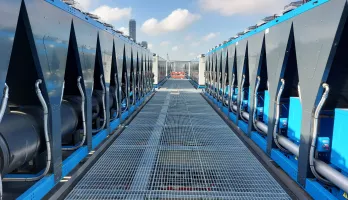
Cool performance in Korea: 28 QUANTUM Air units master air conditioning in data centre
ENGIE Refrigeration is providing IT cooling for a leading data centre operator in Korea with a powerful combination of QUANTUM Air chillers. This enables us to provide energy-efficient air conditioning for the data centre, using QUANTUM Air chillers with a high SCOP and low-GWP refrigerant R-1234ze.

ENGIE Refrigeration provides air conditioning for server rooms, battery rooms and offices on a data center campus
Sophisticated infrastructure in your data center? This is one of our areas of expertise. At a German data center campus, we provide reliable climate control for server rooms and other sensitive areas with our cooling and heating solutions.

Complete technical package with QUANTUM: Free cooling and waste heat utilization in a data center
Our team is producing the first QUANTUM Air units for a Dutch data center operator, enabling both waste heat utilization in the data center and free cooling of the chillers.
Alter Wall 40: A prime example of high-performance refrigeration technology in Hamburg
Efficient cooling of buildings: At Alter Wall 40, ENGIE Refrigeration is demonstrating how high-performance and reliable refrigeration technology works in Hamburg – and thus ensuring the quality of stay in the attractive mix of buildings.
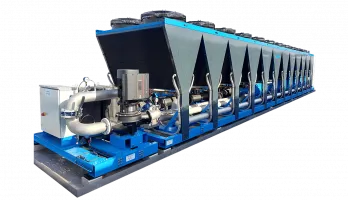
High cooling capacity with high added value: QUANTUM boosts energy efficiency in Data Centers
A group of QUANTUM Air chillers is proving its efficient performance across several data centers in the United Kingdom. The integration of free cooling in the data centers reduces compressor operating hours and therefore lowers electricity consumption – delivering both cost savings and measurable reductions in energy use.
Multiple efficiencies: utilising geothermal energy, reliable cooling and heating
In two ultra-modern new buildings belonging to a German chemical and pharmaceutical company, several SPECTRUM chillers are utilising geothermal energy to simultaneously provide heating and cooling.

Innovative server room cooling, increasing energy efficiency in the data centre
ENGIE Refrigeration keeps data centres around the world at the right temperature. Our cooling and heating specialists are demonstrating this at a major operator in South Korea - opening up future-proof prospects for energy efficiency in data centres.

Innovative heat recovery in a leisure pool: efficient solution from ENGIE Refrigeration
A leisure pool in North Rhine-Westphalia has opted for an innovative solution for heating its swimming pools and shower water. The project was realised in collaboration with a planning office and a general contractor.